10 Most Common Plumbing Problems and How to Fix Them
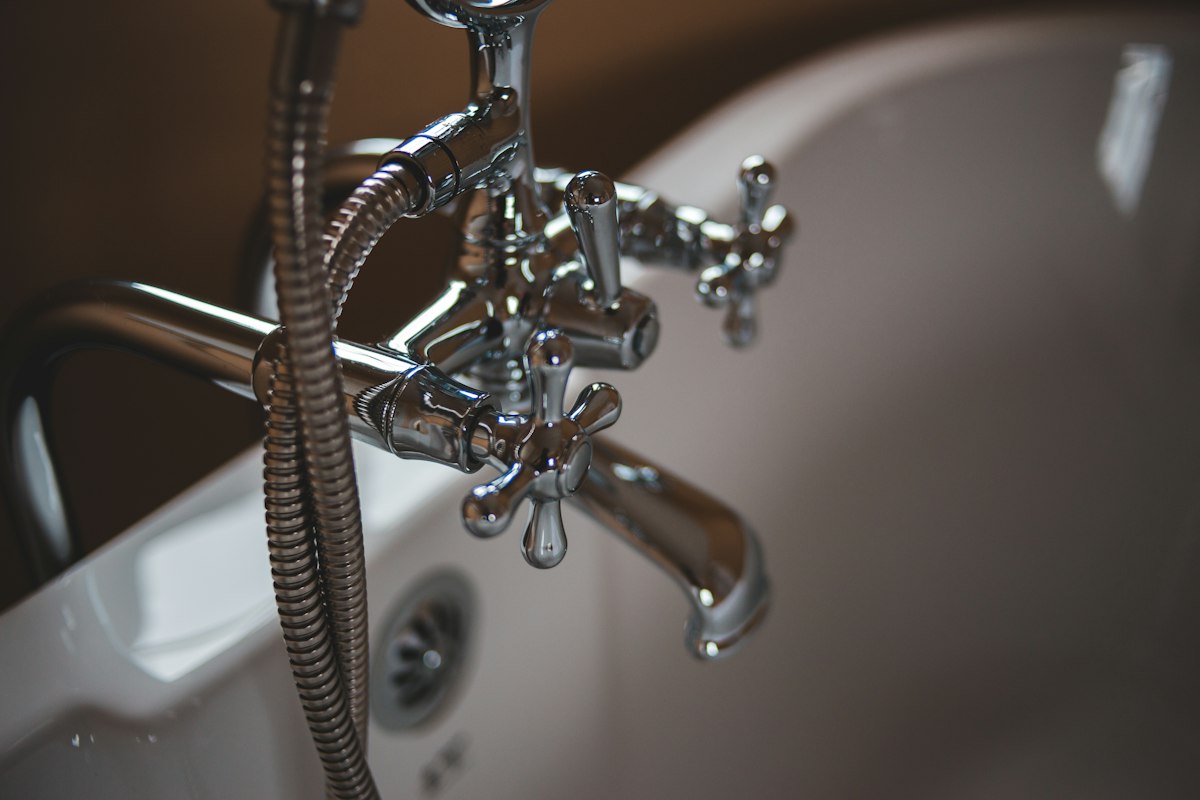
The Plumbing Problems You’re Most Likely to Face
Plumbing issues range from minor annoyances to full-blown emergencies. Knowing what you’re dealing with — and whether it’s a DIY fix or a job for a professional — saves you time, money, and water damage.
Here are the 10 most common plumbing problems, ranked roughly by how frequently they occur.
1. Dripping Faucets
A faucet dripping once per second wastes over 3,000 gallons of water per year. The usual culprit is a worn-out washer, O-ring, or cartridge inside the faucet.
Fix: For single-handle faucets, replacing the cartridge typically solves it ($5 - $30 part). For two-handle faucets, replacing the seat washer is the standard fix. Most homeowners can handle this with basic tools and a YouTube tutorial.
2. Running Toilets
A running toilet can waste 200 gallons of water per day. The three most common causes are a faulty flapper valve, an improperly adjusted float, or a leaking fill valve.
Fix: Lift the tank lid and inspect the flapper — if it’s warped, cracked, or doesn’t seal, replace it ($5 - $10). If the float is set too high, adjust it so the water stops about an inch below the overflow tube. If neither fix works, the fill valve may need replacement ($10 - $25).
3. Slow or Clogged Drains
Hair, soap residue, grease, and food particles build up inside drain pipes over time, restricting water flow.
Fix: Start with a plunger (use a cup plunger for sinks, a flange plunger for toilets). If that doesn’t work, try a drain snake to pull out the clog. Avoid chemical drain cleaners — they can corrode pipes, especially older ones. For recurring clogs, the problem may be deeper in your sewer line and needs professional attention.
4. Leaky Pipes
Pipe leaks most commonly occur at joints. Temperature changes, corrosion, high water pressure, and shifting foundations can all cause pipes to leak.
Fix: Pipe joint compound or tape can temporarily stop a small leak, but this is a band-aid. A permanent fix requires replacing the damaged section of pipe or re-soldering the joint. For anything beyond a simple compression fitting repair, call a plumber.
5. Low Water Pressure
When water trickles instead of flows, low pressure makes everything from showering to washing dishes frustrating.
Fix: If the low pressure affects only one fixture, the aerator is likely clogged with mineral deposits. Unscrew it, soak in vinegar overnight, and reinstall. If pressure is low throughout the house, the issue may be your pressure regulator, a hidden leak, or a municipal supply problem. Whole-house low pressure warrants a professional diagnosis.
6. Water Heater Issues
No hot water, inconsistent temperatures, strange noises, or discolored water all point to water heater problems.
Fix: Many water heater issues are repairable — thermostat adjustments, element replacements, or sediment flushing. Our detailed guide on water heater repair vs replacement helps you decide the right course of action based on your unit’s age and the nature of the problem.
7. Garbage Disposal Jams
Disposals jam when hard items (bones, fruit pits), fibrous foods (celery, corn husks), or too much food at once overwhelms the grinding mechanism.
Fix: Never put your hand inside the disposal. Use the hex wrench that came with the unit (or a 1/4-inch Allen wrench) to manually turn the flywheel from the bottom of the unit. Press the reset button on the bottom after clearing the jam. If it hums but won’t spin, the flywheel is stuck. If it’s silent, the motor may have burned out.
8. Leaking Hose Bibs
Outdoor faucets (hose bibs) are particularly susceptible to freeze damage. Water left in the line expands when it freezes, cracking the pipe or valve body. The leak may not be apparent until spring when you turn the water back on.
Fix: Replace the hose bib or the damaged pipe section. For prevention, disconnect hoses before winter, close the interior shut-off valve, and open the outdoor faucet to drain remaining water.
9. Sewer Line Backups
The most unpleasant plumbing problem. Signs include multiple drains backing up simultaneously, gurgling sounds from drains, and sewage odors.
Fix: Sewer line issues are never a DIY job. Causes include tree root intrusion, collapsed pipes, grease buildup, or foreign objects in the line. A professional will use a camera inspection to identify the problem and determine whether hydro-jetting, pipe lining, or excavation is needed. If you’re dealing with a plumbing emergency, see our emergency plumbing tips for immediate steps to take.
10. Sump Pump Failure
If your home has a sump pump, its failure during heavy rain can mean a flooded basement. Causes include power outages, a stuck float switch, a clogged discharge line, or simple old age.
Fix: Test your sump pump quarterly by pouring water into the pit and confirming it activates and pumps the water out. Install a battery backup system to protect against power outages. Replace sump pumps every 7 to 10 years as a preventive measure.
When to DIY and When to Call a Pro
Safe to DIY: Faucet washer replacement, toilet flapper swap, unclogging a drain with a plunger, cleaning aerators, garbage disposal resets.
Call a professional: Anything involving the main water line, sewer line, water heater, gas connections, or pipe replacement behind walls. Also call a pro if a DIY fix doesn’t resolve the issue after one attempt.
Getting Professional Help
A licensed plumber can diagnose and fix problems accurately, preventing the kind of repeated repairs that come from guesswork. For help choosing the right professional, see our guide on how to find a reliable plumber.
Get a free quote from vetted plumbing professionals near you and get your plumbing issue resolved right the first time.
Need a plumbing pro near you?
Compare quotes from licensed, insured plumbing contractors in your area. Typical cost: $175–$800.
Plumbing in popular cities:
Related Articles
Free Plumbing Estimate: How to Get One, What It Should Include, and What to Watch For
How free plumbing estimates actually work in 2026 — when they're genuinely free, what a written estimate should contain, and how to avoid the bait-and-switch pricing that's common in the industry.
Read More Tank vs Tankless Water Heater: Which Is Right For You?
Compare tank and tankless water heaters on cost, efficiency, and lifespan. Learn which type fits your family size, budget, and long-term goals.
Read More
Drain Cleaning Guide: DIY Methods and When to Call a Pro
Clear slow drains safely with proven DIY methods. Learn what actually works, what to avoid, and when a clog means you need a professional plumber.
Read More How to Find a Reliable Plumber Near You: 8 Tips
Finding a trustworthy plumber doesn't have to be stressful. Use these 8 proven tips to hire a reliable, licensed plumber and avoid costly mistakes.
Read More